Generator Installation
Standby and primary generators for farms, estates, remote homes and rural businesses — single and three-phase, supplied, installed, commissioned and certified, with automatic changeover where it's needed.
How we installFrom farm standby sets and estate generators to complete off-grid systems on properties with no mains at all — power specialists working across the Highlands, the north-east, Argyll and the islands. The generator and off-grid side of the business grew out of Scotland, and it's still where our deepest track record sits.
Three connected specialisms for remote and rural Scottish properties — and one contractor responsible for all of them, from design to certification.
Standby and primary generators for farms, estates, remote homes and rural businesses — single and three-phase, supplied, installed, commissioned and certified, with automatic changeover where it's needed.
How we installAnnual servicing contracts, honest repair diagnosis, and generator replacement only when it genuinely makes sense — including equipment we didn't install.
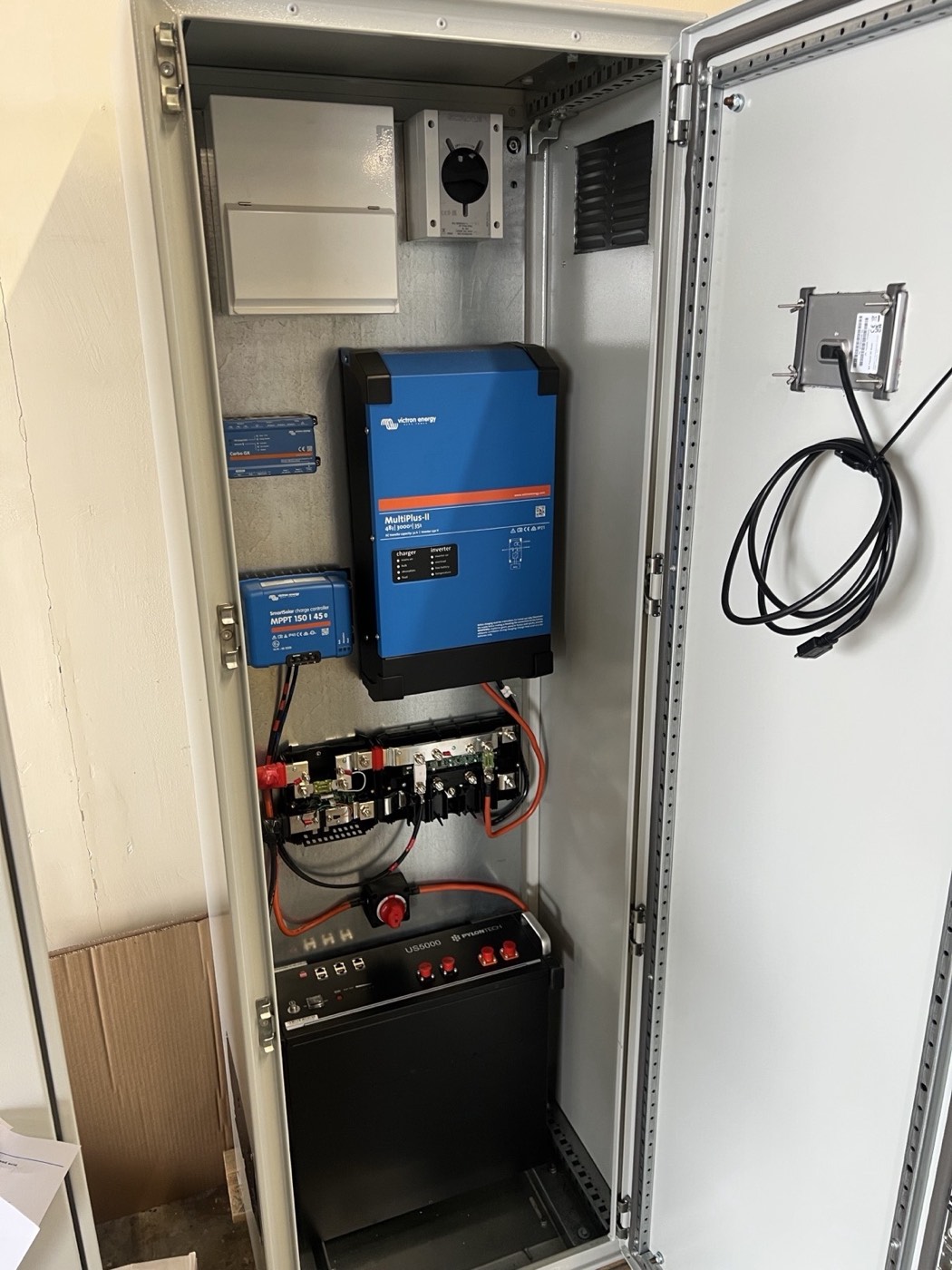
Servicing & repairsSolar, battery storage and generator combined into one system for properties with no mains, or where you want to cut generator running hours and fuel.
Hybrid systems explainedMost Scottish generator work falls into two jobs: keeping the lights on when the mains fails, and being the supply where there's no adequate mains at all. We do both — sized honestly to the loads that actually matter, not oversold. More on how we install generators.
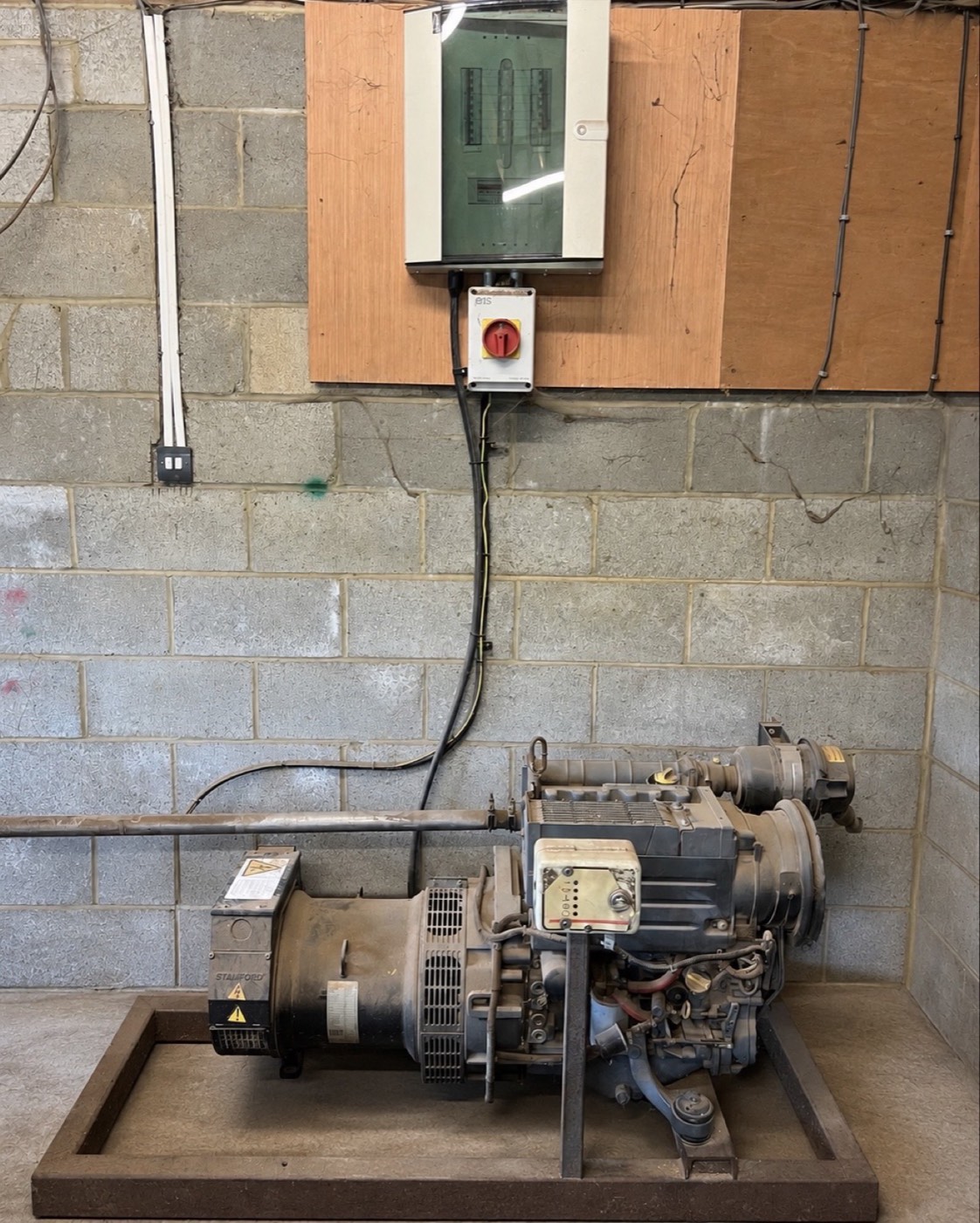
For homes, crofts and estates on long rural spurs, a standby generator with automatic transfer means heating, water, freezers and essential circuits keep running through an outage without anyone having to be there to start it. For farms and workshops, that often means three-phase generation and the changeover and distribution work around it — as with the 23kVA three-phase set we installed as primary workshop power where no three-phase supply existed.
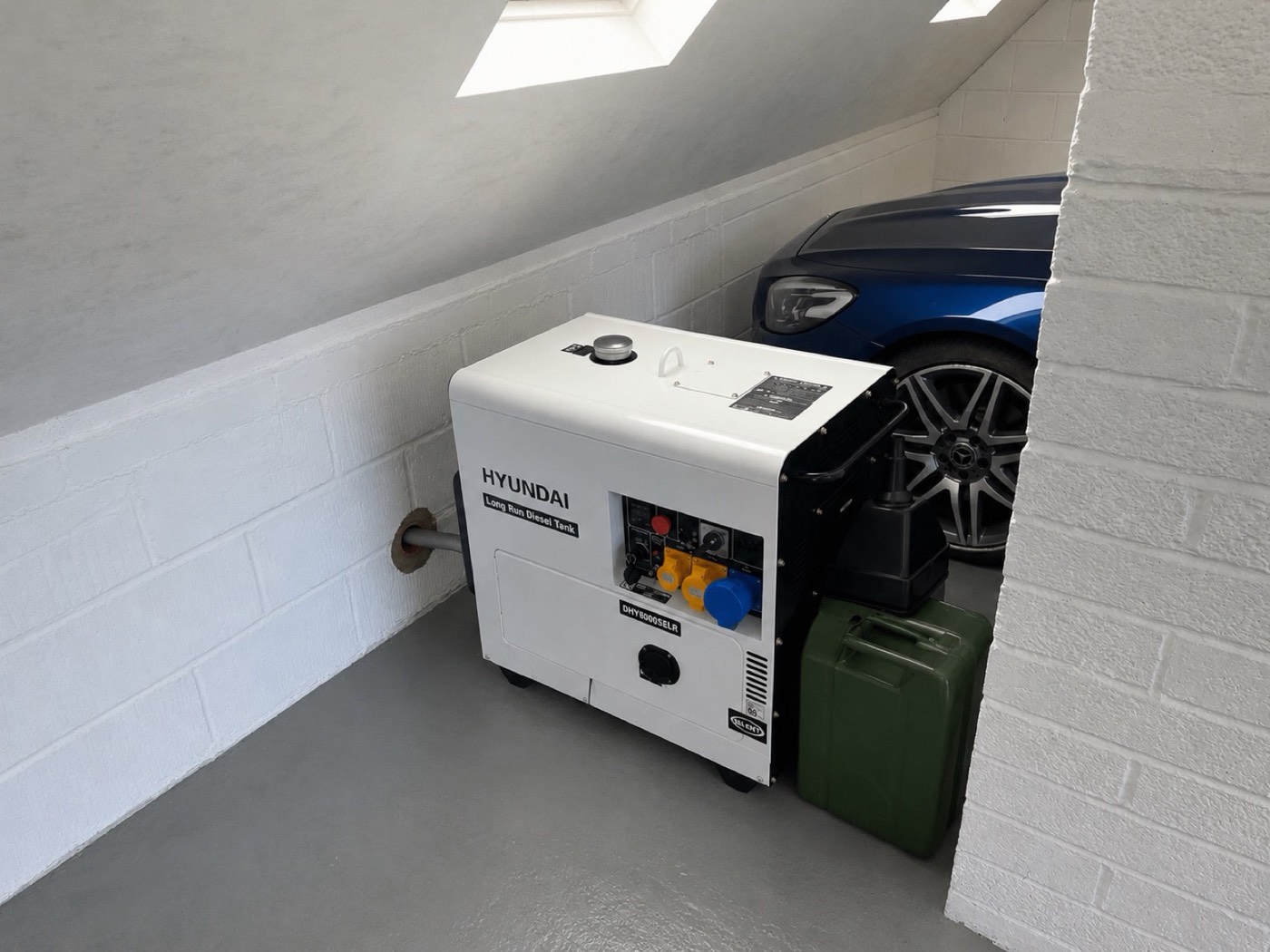
Budget matters, and we work to it rather than around it. A good example is an 8kVA standby set with automatic transfer in Banffshire, sized to exactly what the property needed and no more. Where a generator forms part of a wider system, it can also be tied into solar and battery — see hybrid power systems for how that cuts running hours and fuel.
One contractor, start to finish. We design and install the generator and we're fully qualified for the electrical work around it — distribution boards, changeover, three-phase supplies and the general wiring — so it's one person responsible and one point of contact from design to sign-off.
A standby generator spends nearly all its life switched off — which is exactly why a developing fault goes unnoticed until the moment you needed it to work. On a remote Scottish site, that's the difference between an inconvenience and a genuine problem.
We run annual servicing contracts so the visit happens because it's booked, not because someone remembered, and we take on repairs and honest diagnosis — a non-runner is far more often a fuel, starting or control fault than a dead engine, so repair is frequently the sensible answer at a fraction of replacement cost. We only recommend replacement when a set is genuinely beyond economic repair, and we'll say so plainly either way.
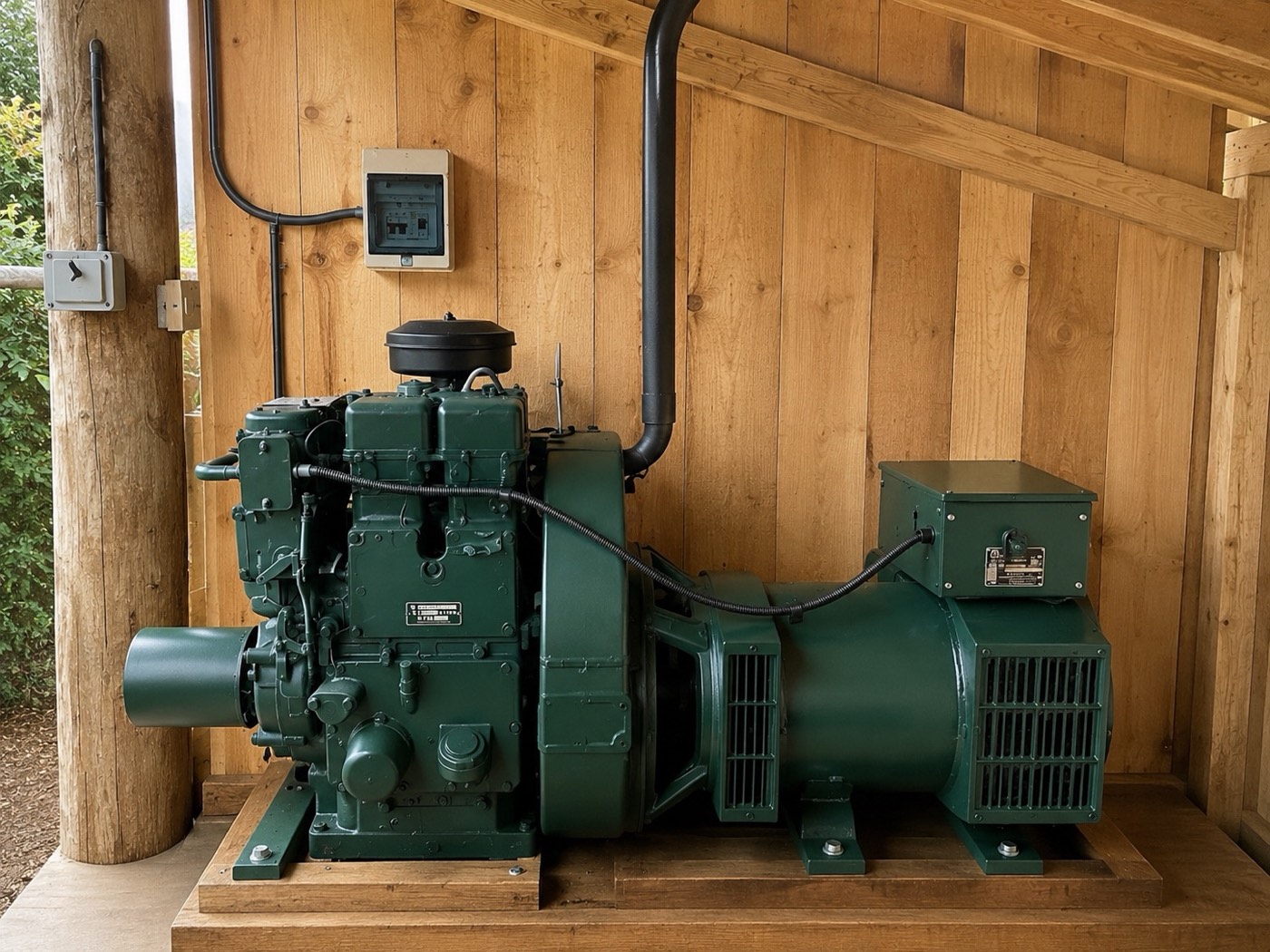
We service equipment we didn't install, including legacy plant — as with a classic Lister with its original Startomatic auto-start, kept dependable on an annual schedule for a remote estate. Full detail is on the generator servicing and repair page.
Remote Scottish properties aren't just further away — they change what "reliable power" has to mean. At the end of a long single-phase spur, or off the grid entirely, there's no network operator watching your supply and no engineer a short drive away.

For an exposed site near Thurso we built a portable off-grid power cabinet taking solar, wind and generator input into one sealed, relocatable unit with battery storage and remote monitoring. It's the clearest example of what off-grid means here: honest sizing, proper certification, and a system built to look after itself between visits.
How hybrid off-grid systems workEstates and farms are a large part of this — standby generation for the farmhouse and steadings, three-phase where machinery needs it, and periodic inspection of installations that rural buildings, damp and rodents work harder on than a centrally heated house ever sees. Whatever the site, the same three things carry the job: honest sizing, proper certification so insurers and building control accept it, and planned servicing so faults are found on a scheduled visit rather than during the outage the system was bought for.
The Scottish work spans homes and crofts, working farms and estates, and rural businesses — each with a different power problem, and the same need for it to be dependable.
Reliable generation, backup power, servicing and remote-site electrical infrastructure — scheduled around a working operation.
Learn moreIndependent power where the grid supply is limited, unreliable or absent entirely — designed to look after itself between visits.
Three-phase generation, backup systems and the electrical infrastructure to run real machinery in places the mains never reached.
Workshops, yards and industrial sites where downtime is expensive and an engineer isn't a short drive away.
Learn moreGenerator, battery and hybrid systems for island properties — planned around ferries and weather, not left to an emergency call-out.
Remote, rural and off-mains properties across Scotland — the sites that need a different approach to power, and someone who'll actually travel to them.
Crofts at the end of long single-phase spurs, estate houses miles beyond the last pole, and properties with no grid connection at all. Caithness and the far north are where the awkward jobs taught us the habits we now apply everywhere — generators sized to real loads, and off-grid systems built to survive a Highland winter.
Agricultural and estate work across the rural north-east — farm standby sets, three-phase supplies for steadings and workshops, backup generators and periodic inspection, all scheduled around a working operation. Generator installation and servicing across Banffshire and Moray is steady, practical work.
Long, exposed runs, ferry-served communities and rural properties where a dependable independent supply matters more than anywhere. Generator installation and servicing, standby power, and the off-grid and electrical work around it.
The properties that benefit most from planned power and servicing, because they're the hardest to reach in an emergency and the most exposed when the mains fails. We plan visits around ferries and weather — and would rather make a scheduled trip than an emergency one.

A joinery workshop full of machinery and no supply to run it — a 23kVA three-phase generator became the supply, with changeover for whole-property standby.
Read case study
An 8kVA long-run set with automatic transfer, sized honestly to a real budget to keep lights, heating and freezers running through power cuts.
Read case study
Decades-old estate plant with no manufacturer support, held dependable on an annual servicing schedule.
Read case studyNo obligation — tell us about your site and we'll be straight with you about what makes sense.
Tell us about your site — generator, off-grid or servicing — and we'll come back with honest advice and a clear price. Most jobs start with a phone call and a site visit.