
Argyll · Three-Phase
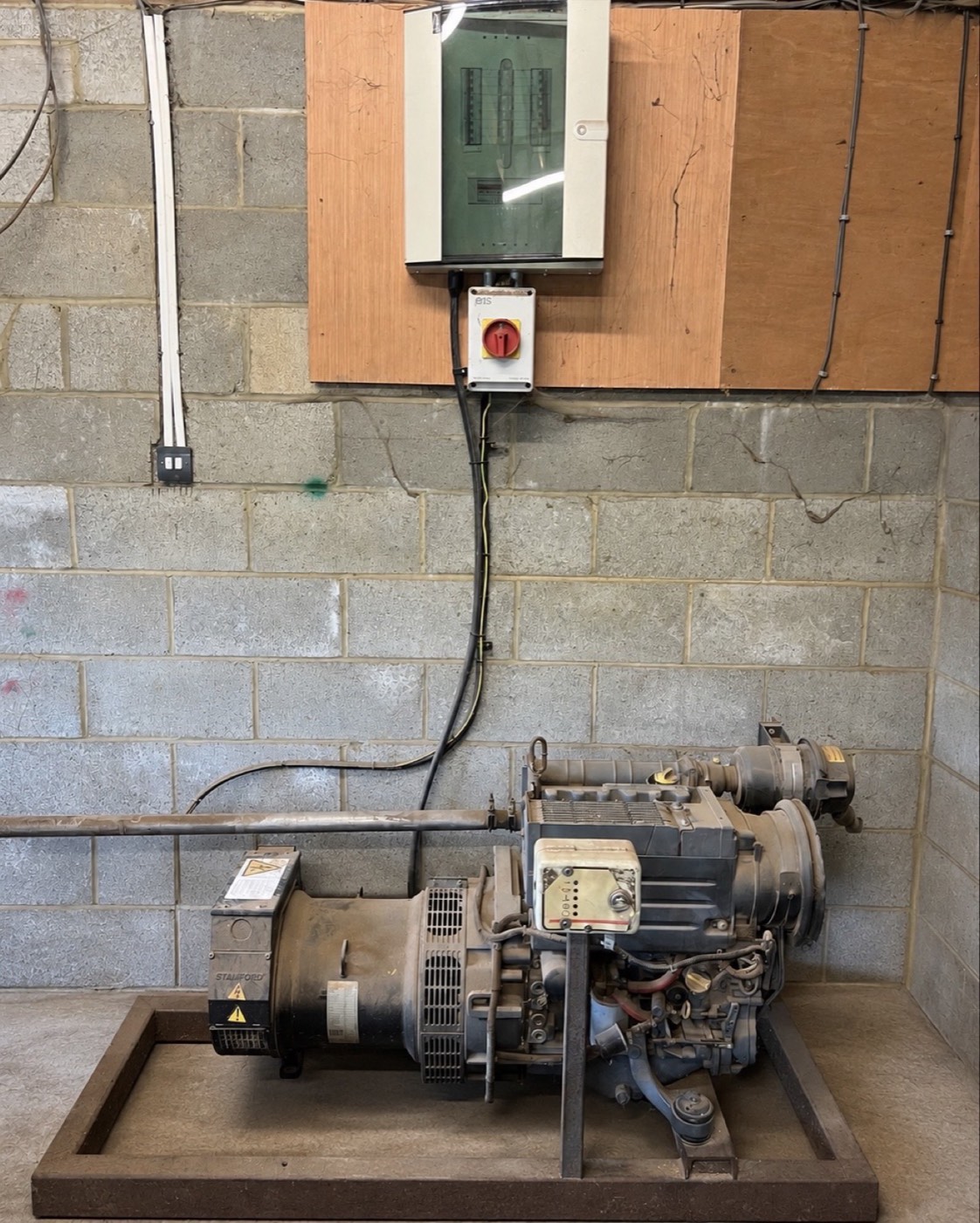
23kVA Three-Phase — Joinery Workshop
A workshop full of three-phase machinery and no supply to run it. A 23kVA set became the supply, with changeover for whole-property standby.
Read case studySingle- and three-phase sets for homes, farms, estates, workshops and remote commercial sites — sized to the real load, installed, commissioned under load and certified by one contractor. Design through to the first service, all in one place.
Almost every generator decision starts here, and it's the bit nobody on page one of Google explains. A generator is doing one of two jobs, and they're specified differently.
Standby. There's a mains supply, but it fails — and when it does, heating, water, freezers, security and essential circuits need to carry on. A standby set sits waiting, starts on its own within seconds of an outage, and hands back to the mains when it returns. Nobody has to be home.
Primary. There's no adequate mains at all — a remote property, a new build off the network, a site at the end of a spur too weak to be useful. Here the generator is the supply, often running real hours, and it's specified for continuous work rather than occasional standby.
Which one you need changes everything downstream — the set, the fuel arrangement, the changeover, the servicing. So it's the first thing we pin down on a site visit, not an afterthought.
It's tempting to fit the biggest set the budget allows and call it safe. It usually isn't good engineering — and it can be the reason a generator fails early.
The figure that matters isn't the nameplate rating of your biggest appliance. It's the real combined load that has to run at once, plus the surge that motors, pumps and compressors draw the instant they start — often several times their running current. Size to the running figure alone and the set stalls the moment the borehole pump kicks in. Size to a wild over-estimate and you get an oversized diesel that spends its life lightly loaded, wet-stacks (unburnt fuel glazing the bores), wastes fuel and wears out sooner.
We measure the loads that genuinely matter, allow properly for starting surge and diversity, and land on a set that runs in its efficient band. Sometimes that's smaller and cheaper than expected — the 8kVA Banffshire install is exactly that: sized to the essentials, not oversold.
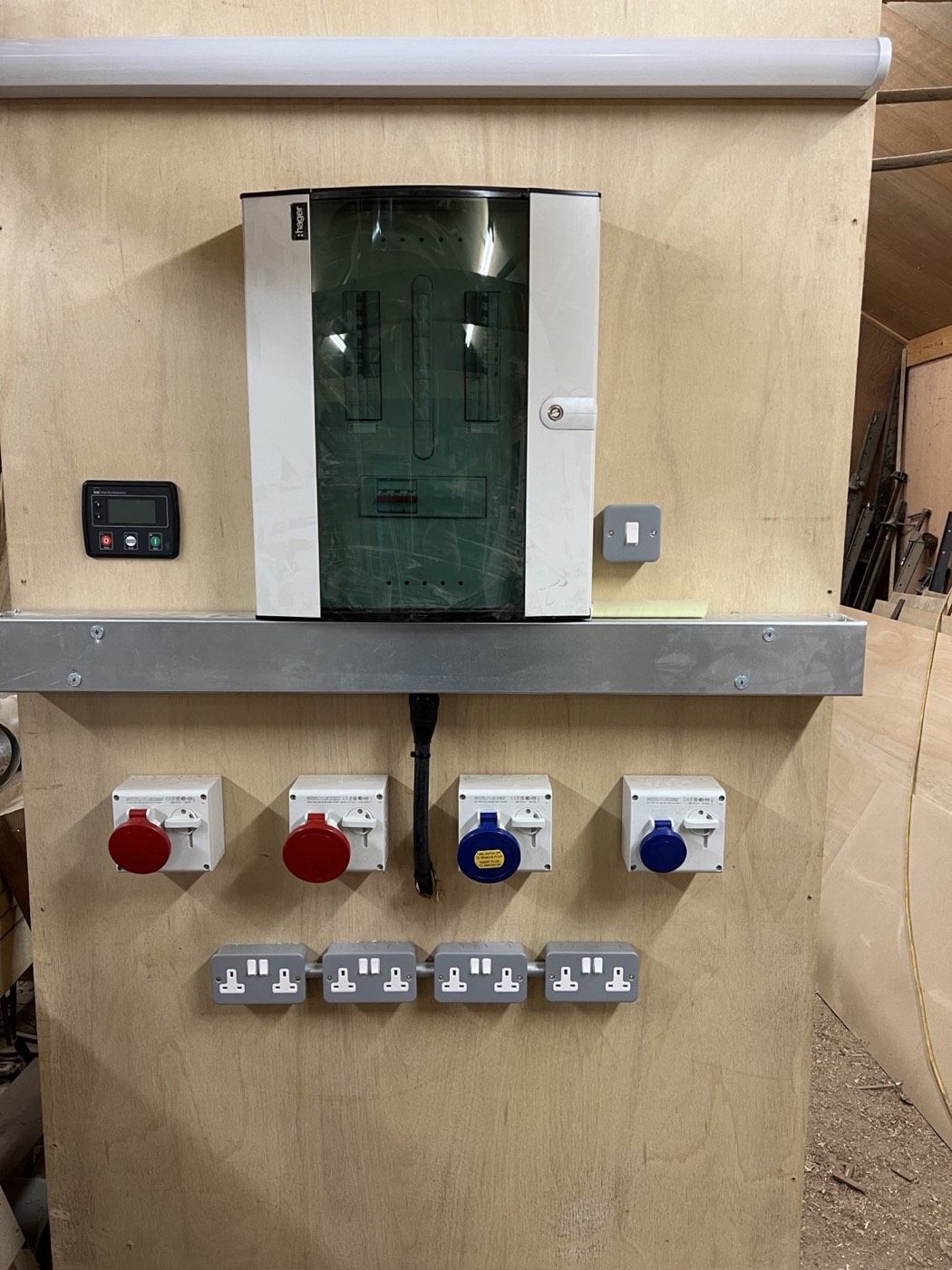
An automatic transfer switch (ATS) senses the outage, starts the set and switches the load over on its own — essential where nobody's on site to do it, or where freezers and heating can't wait. But it's not always necessary.
Where someone's usually about and a few minutes' interruption is fine, a manual changeover does the job for a fraction of the cost. We'll tell you honestly which one your site actually needs — saying "you probably don't need ATS here" is the most useful sentence we can give you.
Where a set goes matters as much as which set it is. We plan the base or slab, the distance from the dwelling, exhaust routing and acoustic housing so it's not living under a bedroom window. And we size the fuel arrangement to the job — long-run tanks where a remote site needs to ride out days, not hours — and tell you plainly what run-time that actually buys.
Standby cover for properties on long rural spurs, or a primary supply where there's no mains at all.
Three-phase for machinery, standby for the farmhouse and steadings, sized around a working operation.
Where downtime costs money and a supply has to be dependable, not just present.
Long runs, difficult access and harsh conditions — the jobs built around getting there and finishing.
A workshop full of three-phase machinery and no supply to run it. A 23kVA set became the supply, with changeover for whole-property standby.
Read case study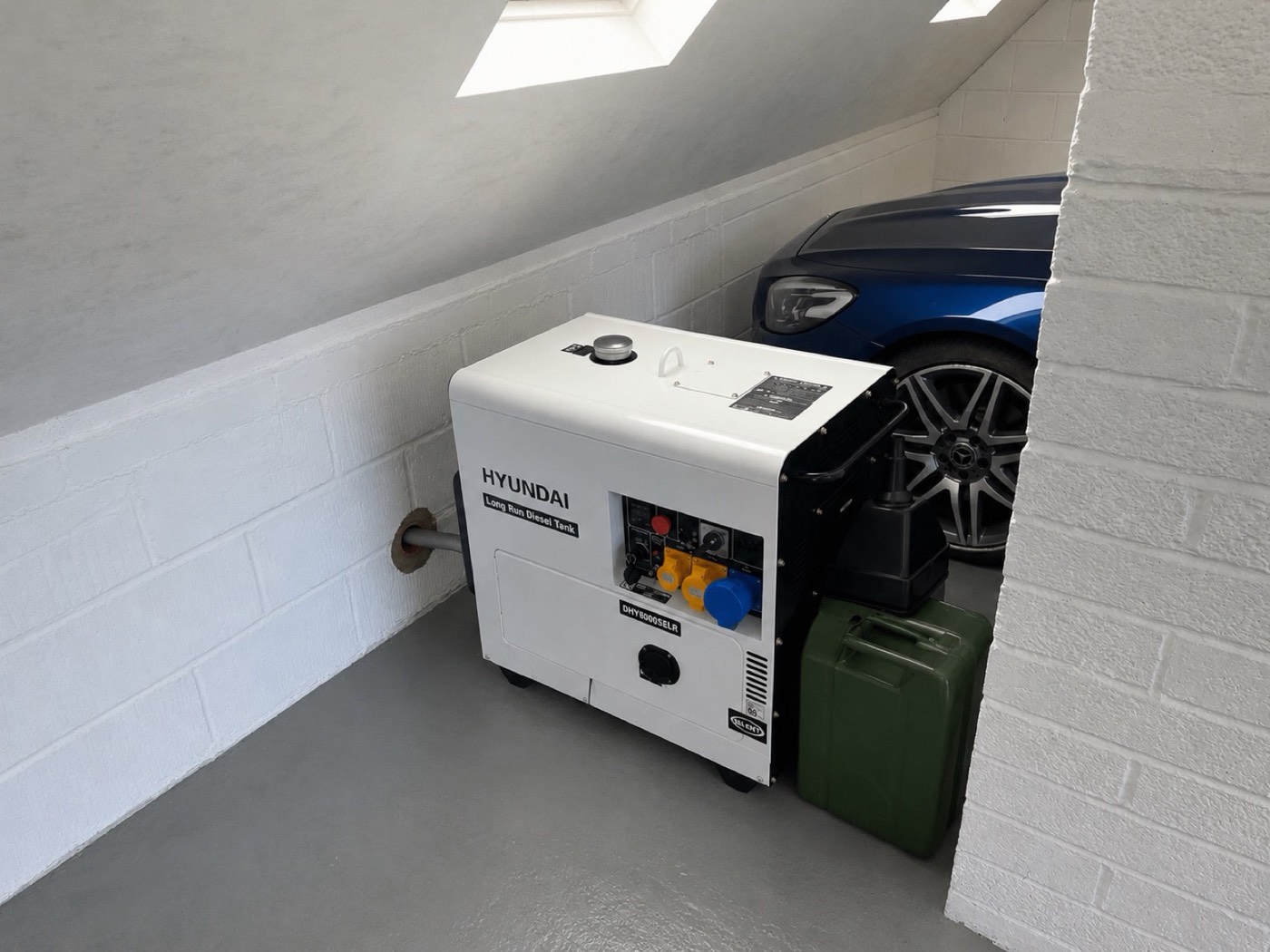
An 8kVA long-run set with automatic transfer, sized honestly to a real budget to keep lights, heating and freezers running.
Read case studyA site's only power source arrived dead. Repaired, serviced and modernised with remote start rather than replaced at several times the cost.
Read case studyNo obligation — tell us about your site and we'll be straight with you about what makes sense.
Tell us what you're trying to power and whether there's a mains supply — we'll come back with honest advice on the right set and a clear price.